How Daily Brushing Became My Best Health Habit
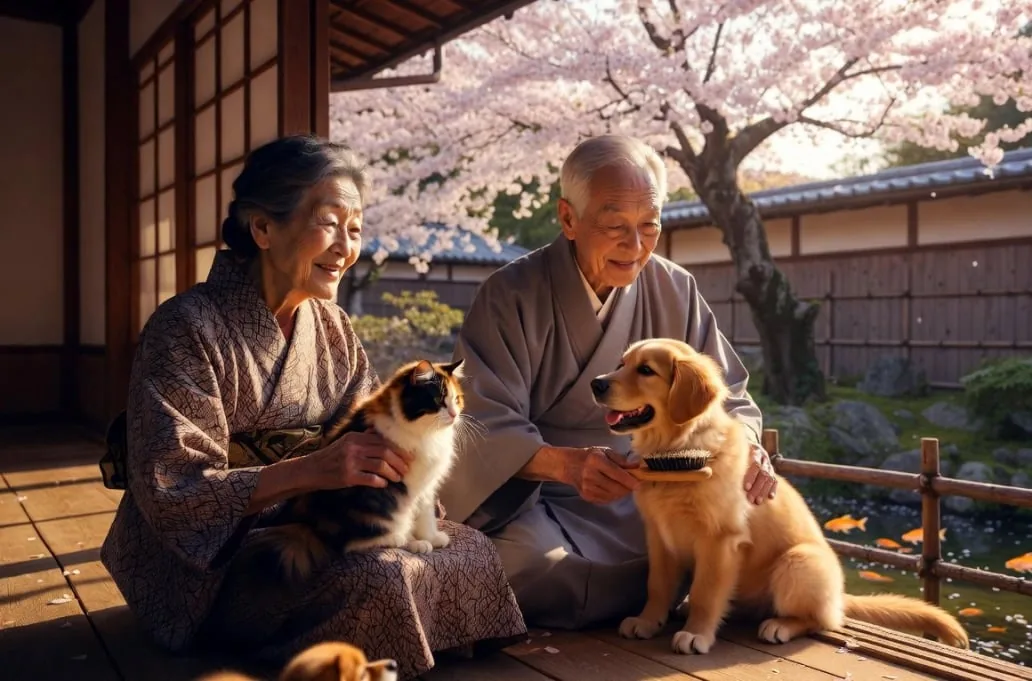
Every morning at 7 a.m., Yuko, a 78-year-old former teacher in Kyoto, sits on her favorite cushion and begins her daily ritual. She calls it her “brush therapy.” For ten gentle minutes, she brushes her senior rescue cat, Momo, while softly humming. This simple act of communication with animals started as a way to reduce shedding but soon became the anchor of her day. She noticed that her own stiff fingers became more flexible, and her usual morning anxiety began to fade. What seemed like basic pet care turned into a lifeline. Today, she says that pets for the elderly like Momo offer more than company—they offer a reason to move with purpose.
Doctors often emphasize exercise and diet, but Yuko’s experience proves that the benefits of communicating with animals can be just as powerful. While brushing, she naturally practices deep breathing and gentle shoulder rotations. She has learned to read Momo’s purrs and small head movements—pure communication with animals without a single word. This daily pet care routine requires no gym membership or special skills. It simply asks for consistency and love. For seniors living alone, such rituals replace empty hours with warm structure. Pets for the elderly become living clocks that remind them to act, to care, and to connect.
The physical benefits of communicating with animals through brushing are easy to measure. Yuko’s hand tremors have reduced significantly because the repetitive motion builds fine motor control. Her blood pressure readings improved within three months. But the emotional rewards run deeper. She told our team that brushing Momo feels like a silent conversation—communication with animals that quiets the noise of loneliness. Pet care of this kind is meditative. It forces you to slow down, focus on texture and warmth, and forget your aches for a while. Pets for the elderly do not judge shaky hands or slow movements; they simply receive and give back.
Beyond personal health, Yuko discovered that the benefits of communicating with animals extend to her sleep cycle. The evening brushing session signals her brain that the day is ending. She now sleeps six hours uninterrupted—a miracle after years of insomnia. Communication with animals through touch releases oxytocin, a natural calming hormone. This is why pet care experts recommend grooming as a form of gentle therapy. For seniors, a brush costs less than a single visit to a clinic. Yet pets for the elderly who receive daily brushing respond with better coat health and calmer behavior, creating a beautiful cycle of mutual care.
Yuko also shares her routine with a neighbor who has early-stage dementia. Together, they brush two cats side by side. The benefits of communicating with animals became visible when the neighbor started remembering the cat’s name and the order of brushing strokes. Communication with animals bypasses damaged memory pathways because it relies on emotion and touch. Pet care of this simple kind has been shown to reduce agitation in dementia patients. Pets for the elderly in such cases act not as pets but as co-therapists. A fifteen-minute brushing session can replace an hour of confusion with peace and recognition.
Today, Yuko has inspired a small group of seniors in her apartment building to adopt morning brushing rituals. They exchange brushes and share stories about communication with animals with their own cats and small dogs. The benefits of communicating with animals have become a community topic. What began as basic pet care grew into a movement. Yuko summarizes it best: “My brush is my medicine. And Momo is my nurse.” For any senior wondering whether pets for the elderly are worth the effort, her story answers clearly—yes, because even a brush can become a bridge to better health.